Writing to Save Animals and Heal Yourself
Where do you go when everything is too much? For some, they use their own imagination to escape.
When I was younger, I started writing stories about animals. I thought to myself, “There are so many human stories, but isn’t the point of it all to read a story you wouldn’t normally get to hear?” That’s when I decided to be a writer for the animals and use my skills to help them.
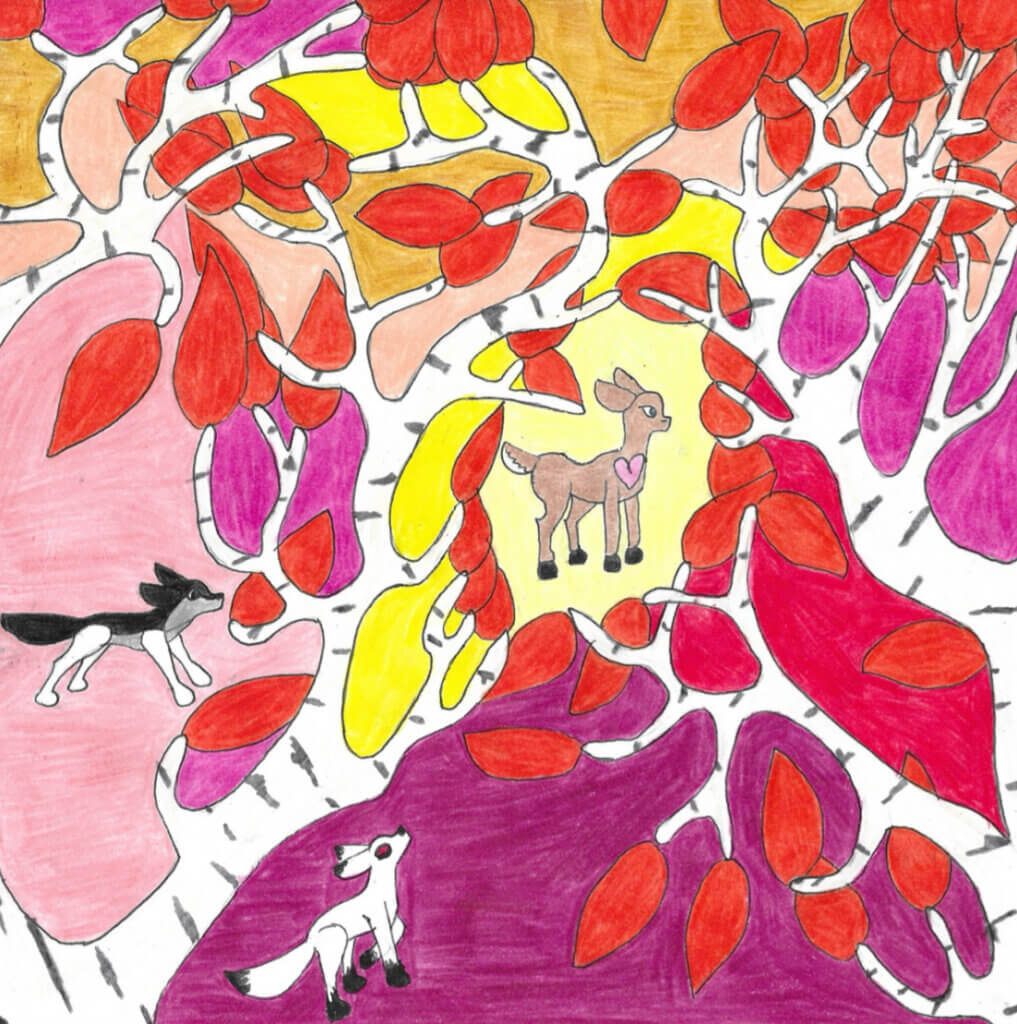
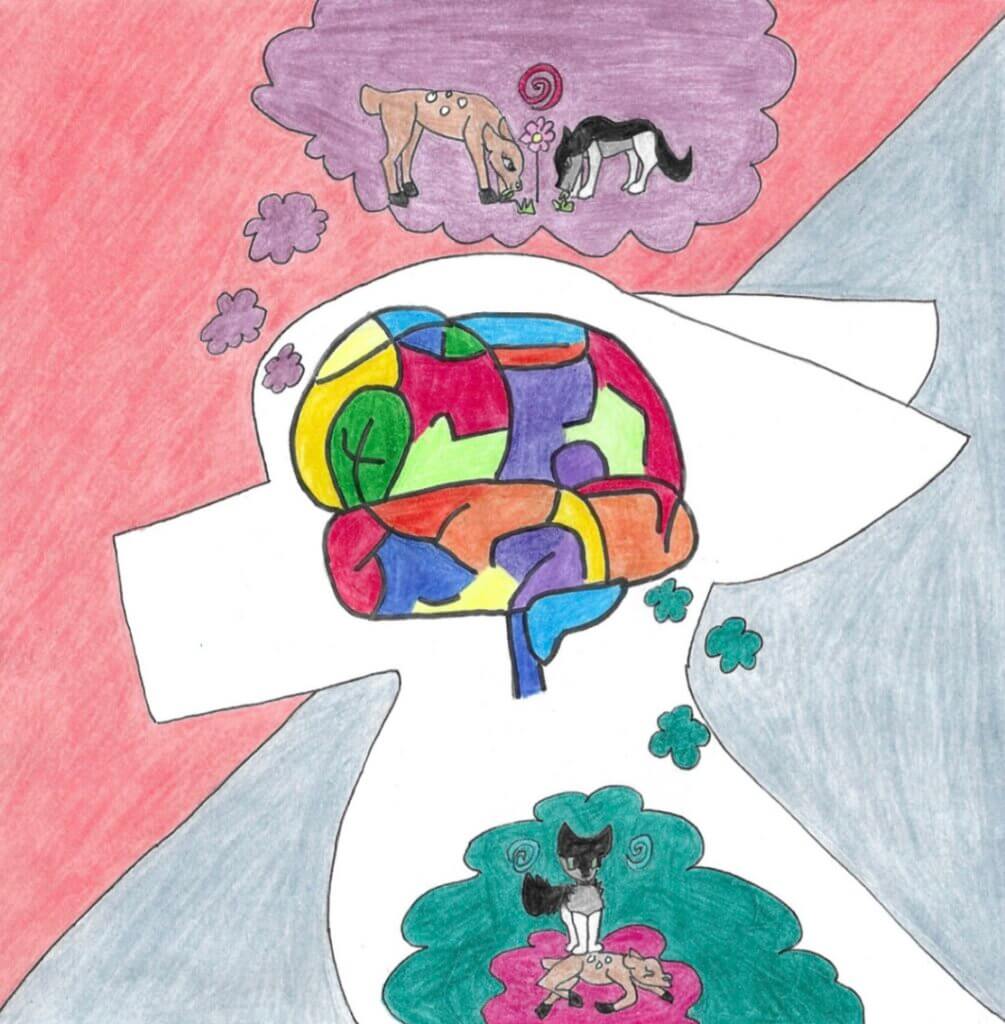
As I wrote about the issues animals face, such as hunting and habitat loss, I began to learn more about myself. When I went vegan, I wrote a story about a wolf who befriended a deer, called “Rhyolite Run.” In the real world, animals hunt to survive. In Rhyolite’s world, the wolves have a choice to be compassionate. I wrote this story as an allegory about how humans can choose to be vegan and live in alignment with their love for animals.
writing to heal your mind and body
Writing helped me grow as a person and offered an outlet. I’m not the only one, though. Writing can be a form of self-therapy, allowing us to take time to process our emotions and understand what’s causing them. Expressive writing, also called therapeutic journaling, is when you write about how you’re feeling. Sometimes we only need to talk things out to feel better, since we may tend to bottle everything up. Expressive writing, however, has the added benefit of allowing us to examine our emotions and recalibrate our thoughts. We can look back on what we wrote, study it, and find the way forward.
This type of writing helps reduce stress, benefiting our mental and physical health. Studies on expressive writing show that it can improve sleep and boost our immunity.
writing for animals
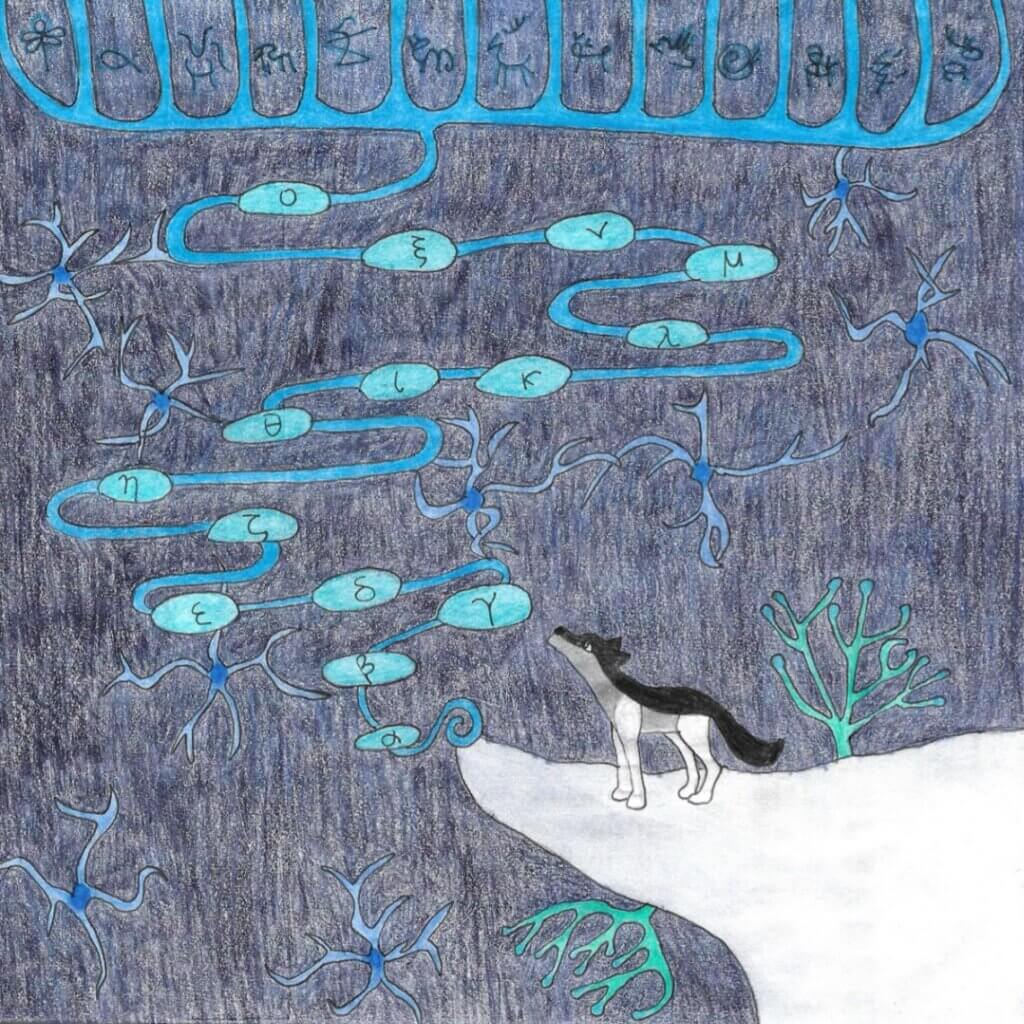
In addition to being therapeutic, writing can help us speak up for others. We can write from the animal’s perspective. Whether or not the reader is aware of it, they are practicing empathy by seeing the world through another animal’s eyes. In our lives, we may face struggles at school, such as being bullied or having to work harder to earn a good grade. These are important topics to talk about, but we should also talk about the struggles animals go through.
Interestingly enough, when I wrote about animals, the problems in my life seemed much smaller. I was always shy in school and afraid of what other people thought. Then I picked up my journal/doodle book. When the main characters in my stories overcame the obstacles in their life, it made me more confident about overcoming my own.
Maybe you were just assigned a school writing project. This is an opportunity to write for animals! Sometimes, you may even be asked to read your short story or poem in front of the class. While this seems intimidating, as a fellow writer, I believe in your ability to speak up for animals. You got this! If you want to be extra confident, though, you can always ask peta2 for help with your research on any animal liberation topic you want to learn more about.
narration styles
There are also different narration styles we can choose from. Take a look at some examples for Corky, the orca who has been kept in captivity longer than any other orca in the world.
- First-person: “I can still remember the sound of my mom’s voice. I wish I could go home to my pod, my family, more than anything.”
- Second-person: “You swim to the surface, dazed by the flashing lights and yelling patrons. Where did the ocean go, you wonder. What happened to your deep blue home, and the current pulling you, and the tide calling your name?”
- Third-person: “Corky was torn away from her family decades ago to be forced to perform meaningless tricks and swim in endless circles in tiny, concrete tanks.”
Everyone has a unique writing style. Keep writing until you find yours. <3
words matter for animals
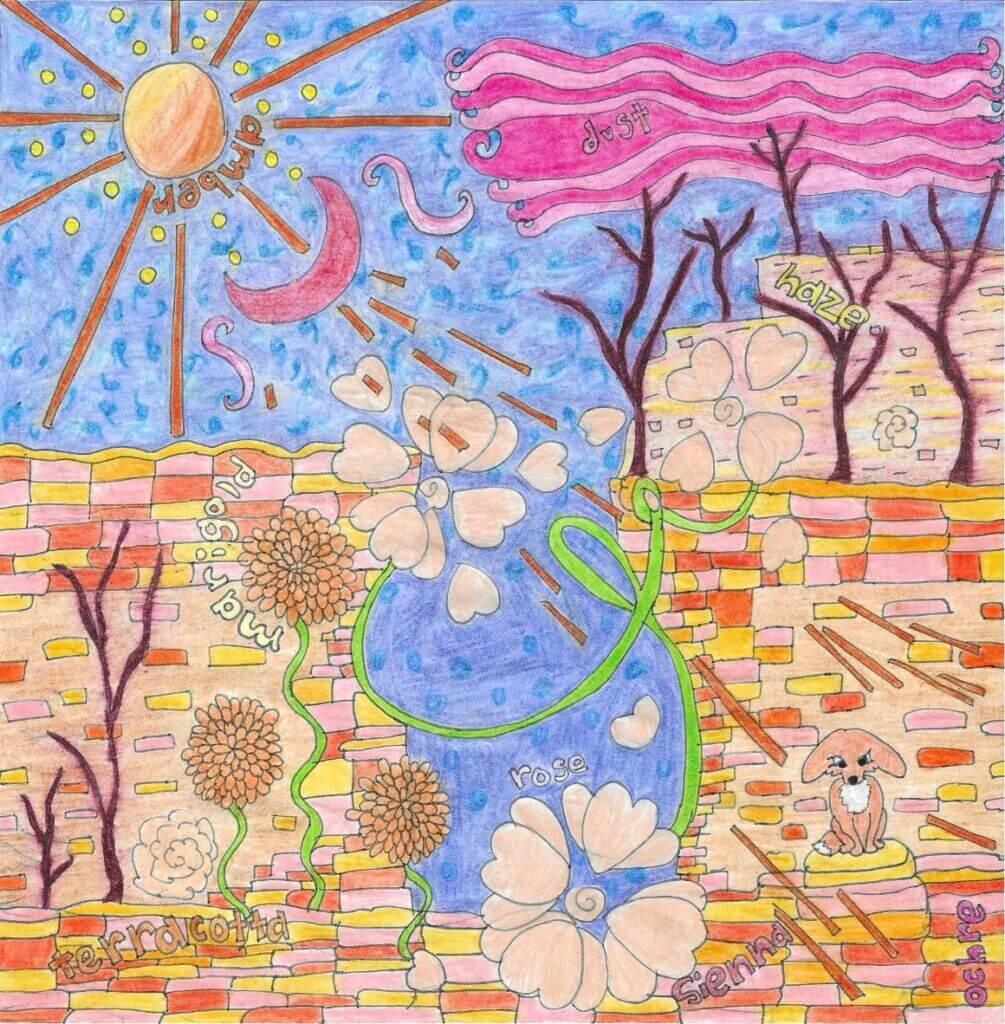
Objects don’t have feelings as we animals do. Still, writers often use “it” instead of “he/she/they” for animals. We can help animals by making sure we use person-pronouns. Here are some examples below:
- The frog hopped to her favorite lily pad.
- Hyena cubs mimic the behavior of their older caretakers.
- When the octopus saw a sea lion, they hid under the coconut shell.
You may have heard phrases or idioms about animals. Most of them are not the nicest. Luckily, we have a list of animal-friendly idioms to try instead. 😊
it’s not onomatopoeia for animals
Onomatopoeia is a literary device we use to create sound in our writing. For example, when we describe water, we say “Splash!” and for a car we say “Vroom!” It’s a vocal imitation that makes the story world come to life. However, onomatopoeia is also used when animals are speaking.
For cows, we say Moo. 🐮 For snakes, we imitate their hiss by saying Sssss. 🐍 When we use onomatopoeia for animals, we need to remember that they are not making sounds; they’re talking! Humans fail to understand what animals are saying.
When a dog makes a Bark sound, they could be saying, “Someone’s at the door!” When a bear makes a Grrrrr sound, they could be saying “Stay away from my cubs.”
Whenever you use onomatopoeia for animals, remember to include what the animal is communicating. That’s how we share their voice with others. 💜
get writing!
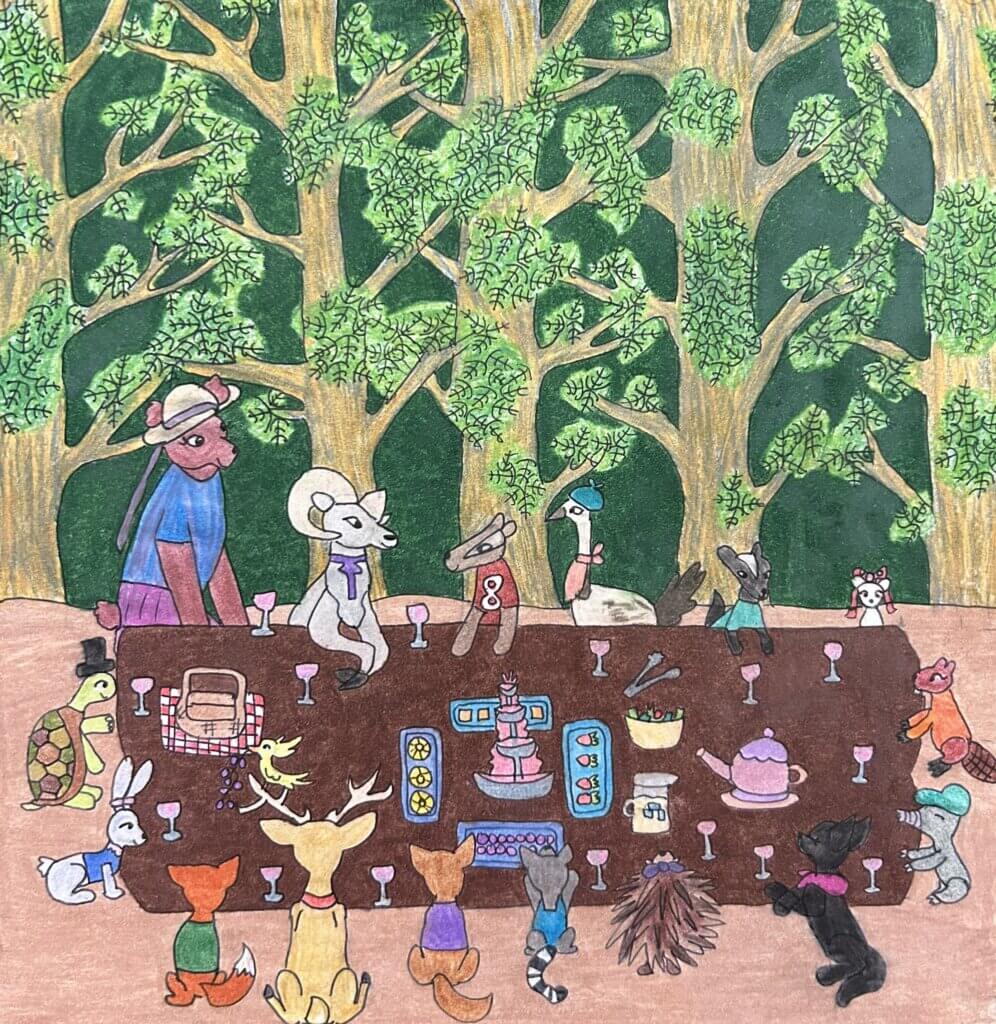
Now you have some extra tips for when you go to write your next story! If you’re like me, and also like to illustrate for your story, check out our artivism page for more inspiration. ✨ I was once told that writing is 90% research. Knowing how other animals live and the difficulties they face because of humans makes you a more impactful writer. Check out Peter Singer’s Animal Liberation Now to learn more.
*****
Looking for more book recommendations? See some of our favorite animal liberation books below!
Text peta2 to 30933
for ways to help animals, tips on compassionate living, and more!
Terms for automated texts/calls from peta2: http://peta.vg/txt. Text STOP to end, HELP for more info. Msg/data rates may apply. U.S. only.