These Five Vegan Indigenous Influencers Speak Up for Animals and the 🌎
November is National Native American Heritage Month—the perf time to recognize the massive role Native folks play in animal rights and environmentalism. Even though Indigenous peoples account for only 6% of the world’s population, they’re thought to effectively manage about 20-25% of the world’s lands and protect about 80% of the world’s biodiversity.1 So many Indigenous animal advocates are leaders in our movement, and we’d like to highlight a few. Here are five vegan Indigenous influencers who use their platforms to speak up for animals and the environment.
1. @genesisbutler
Genesis Butler is a Gen Z animal rights icon. At just 6 years old, she went vegan and then convinced her friends and fam to do the same. 🤯 She knows that environmentalism and animal rights are deeply connected and even gave a TEDx talk that explained how animal agriculture is destroying the environment when she was just 10 years old. We recently teamed up with Genesis to launch our “Cut Out Dissection” website. Watch her informative vid to see just how passionate and convincing she is.
2. @fitandcompassionate
Ash (aka “@fitandcompasssionate”) is a Métis and Anishinaabe animal advocate who has racked up nearly 50,000 TikTok followers. She frequently talks about vegan living, fitness, and her native ancestry and how they’re all intertwined. Check out her page for tips on making delicious vegan food, camping as a vegan, and being the best animal guardian possible.
3. @mattvsshark
Which do you love more: vegan content or cat content? 😶 Thanks to Matt’s page, you don’t have to choose between the two. This Indigenous influencer’s IG is full of posts about vegan living and their cat companions, and scrolling through them is a guaranteed dopamine booster. Plus, as a runner, they give great inspo for being a vegan athlete.
4. @collectiveabolition
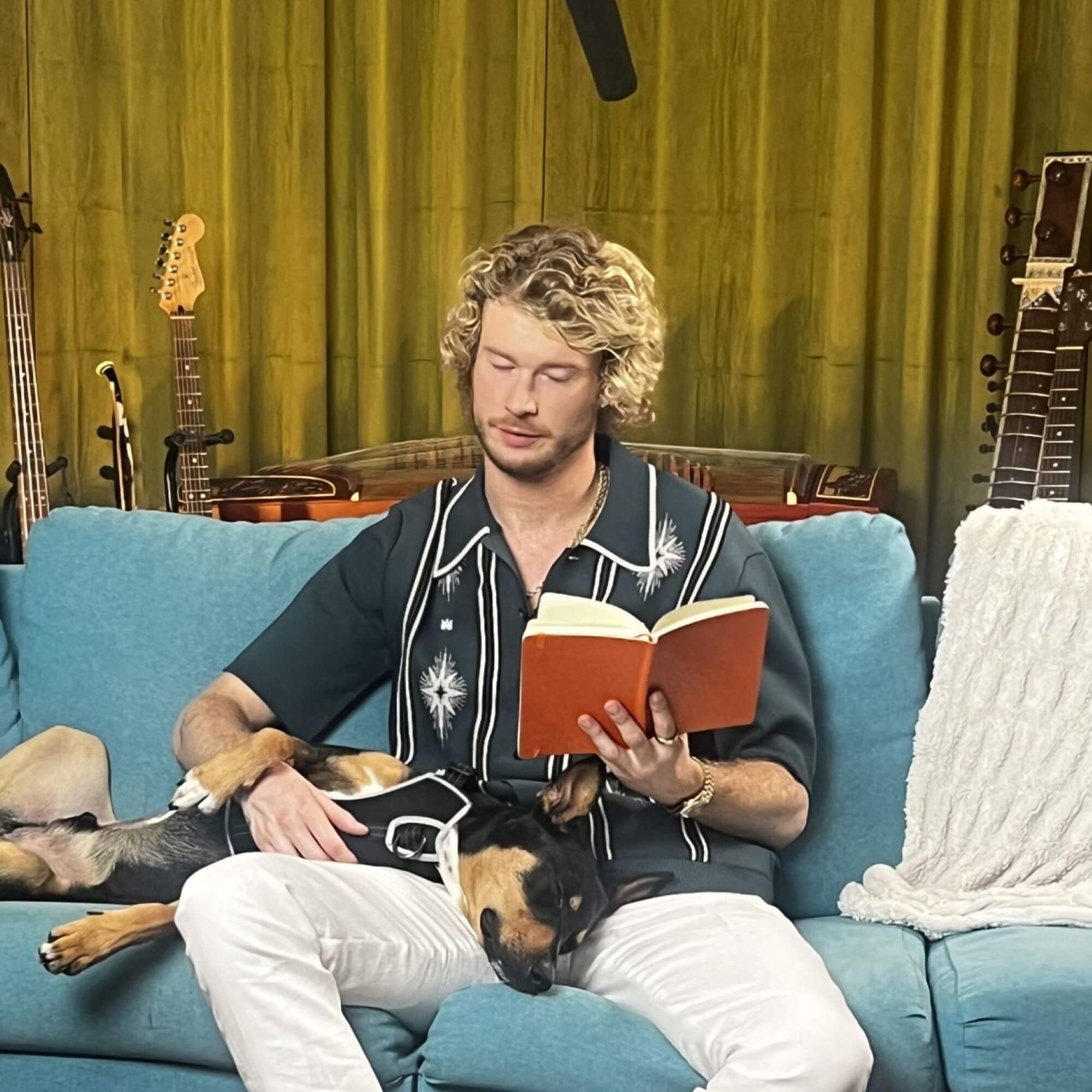
Yvette’s IG handle says it all. She’s dedicated to the total liberation of humans and all other animals and protecting the planet. As an Afro-Indigenous vegan, she knows how to spit facts about what we can do to help dismantle oppression in all its forms. Fr, just scroll through her page for a bit and you’ll learn a ton about civil rights, animal rights, environmentalism, and more. Don’t be surprised if you get more revved up to create a better world than ever before.
5. @jenriverabell
Want to make traditional Native dishes like frybread without harming cows, chickens, pigs, or any other animals for their flesh, eggs, or milk? Jen can be your #1 resource. She makes traditional dishes the vegan way and shares her secrets for success with her IG followers. Plus, she often posts pics of her rescued pig companion, Petunia. 😩 How could you resist a page like that?
*****
We can learn a lot from the deep connection between Indigenous populations and animal advocacy. The Il Laikipia Maasai (“People of Wildlife”) of Kenya maintain a community-owned wildlife conservancy called Il Ngwesi that includes a rhino sanctuary. The entire conservation area of 8,500 hectares (about 33 sq mi) is set up to let native wildlife live there and move about as they wish. Also, Indigenous groups in India, like the Soligas and Chenchus, have helped protect tigers from poachers.1
Are you Latinx or Indigenous and thinking about going vegan? peta2 staffer Talitha is here to show you why that’s the best idea ever:
Sources:
1. Arévalo, C. (2023, January 18). Protecting The World’s Wild Animals Through Indigenous Knowledge. Faunalytics. https://faunalytics.org/protecting-the-worlds-wild-animals-through-indigenous-knowledge/
Text peta2 to 30933
for ways to help animals, tips on compassionate living, and more!
Terms for automated texts/calls from peta2: http://peta.vg/txt. Text STOP to end, HELP for more info. Msg/data rates may apply. U.S. only.